
Few natural events create the same sense of wonder as a meteor shower. Standing beneath a dark sky and watching streaks of light race across the heavens can transform an ordinary night into an unforgettable experience. For centuries, people have looked upward during these celestial displays, inspired by the beauty and mystery of meteors flashing through Earth’s atmosphere.
Understanding meteor shower dates allows sky watchers to plan ahead and maximize their chances of witnessing spectacular astronomical events. While random meteors can appear on any clear night, meteor showers occur at predictable times throughout the year. These annual events happen when Earth passes through streams of cosmic debris left behind by comets or, in some cases, asteroids.
Whether you are a beginner with no astronomy experience or an enthusiastic observer looking to improve your viewing opportunities, learning about meteor shower dates can help you enjoy some of nature’s most remarkable nighttime spectacles. This guide explores the science behind meteor showers, the most significant annual events, ideal viewing conditions, and practical strategies for making the most of every celestial display.
The Fascinating Science Behind Meteor Showers
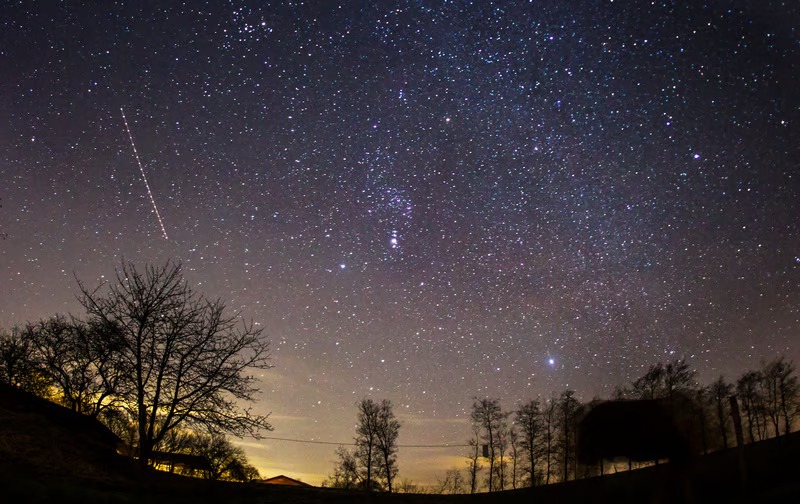
Meteor showers occur when Earth travels through clouds of dust and debris that have been left behind by celestial objects. Most of these particles are incredibly small, often no larger than grains of sand. However, when they enter Earth’s atmosphere at extremely high speeds, friction causes them to heat up and glow brightly.
The glowing streak visible from the ground is called a meteor. If a fragment survives its journey through the atmosphere and reaches Earth’s surface, it becomes known as a meteorite. During meteor showers, many meteors appear to originate from a single point in the sky known as the radiant.
Each meteor shower is associated with a specific parent body, usually a comet. As comets orbit the Sun, they shed particles along their paths. When Earth’s orbit intersects these debris trails, meteor activity increases significantly, producing the stunning displays observed from the ground.
Why Meteor Shower Dates Remain Consistent Each Year
One of the reasons meteor showers are so popular among amateur astronomers is their predictability. Since Earth follows the same orbital path around the Sun each year, it encounters many of the same debris streams annually.
Although exact peak times can vary slightly from year to year, most meteor shower dates remain relatively consistent. Astronomers can calculate expected peak periods with impressive accuracy, allowing sky watchers to prepare well in advance.
The intensity of individual showers may fluctuate depending on the density of debris encountered, but the general timing remains remarkably reliable. This predictability makes meteor showers among the easiest astronomical events to plan around.
Understanding Peak Activity Periods
Meteor showers often last for several days or even weeks. However, they usually have a peak period when activity reaches its highest level.
What Determines a Peak?
The peak occurs when Earth passes through the densest section of a debris stream. During this period, observers may witness significantly more meteors per hour than on surrounding nights.
Why Timing Matters
Viewing during the peak greatly increases the chances of seeing frequent meteors. Some major showers can produce dozens or even hundreds of meteors each hour under ideal conditions.
The Role of Time Zones
Peak times are often calculated using universal astronomical standards. Depending on your location, the best viewing opportunity may occur during different nighttime hours.
Major Meteor Shower Dates Throughout the Year
Several annual meteor showers stand out due to their reliability, brightness, and activity levels.
Quadrantids: January’s Celestial Display
The Quadrantids typically peak during early January. Although their peak is relatively short, they can produce impressive meteor rates under dark skies.
Known for bright fireballs and fast-moving meteors, the Quadrantids provide an exciting start to the astronomical year. Cold winter temperatures may discourage some observers, but those willing to brave the weather are often rewarded with spectacular views.
Lyrids: Spring’s Historic Shower
Appearing in April, the Lyrids are among the oldest recorded meteor showers. Historical observations date back more than two thousand years.
The Lyrids generally produce moderate activity levels, making them accessible to beginner sky watchers. Their long history adds a sense of connection to generations of observers who have admired the same celestial event.
Eta Aquariids: A Gift from Halley’s Comet
The Eta Aquariids occur in early May and are associated with the famous comet Halley. These meteors are known for their speed and often leave glowing trails across the sky.
Observers in tropical and southern regions frequently enjoy the best viewing conditions, although the shower remains visible across many parts of the world.
Perseids: The Summer Favorite
Few meteor shower dates generate as much excitement as the Perseids in August.
The Perseids consistently rank among the most popular meteor showers due to their high activity rates, bright meteors, and comfortable summer viewing conditions. Under dark skies, observers can often see dozens of meteors per hour.
Families, photographers, and astronomy enthusiasts frequently plan outings specifically around the Perseid peak. For many people, this shower serves as their introduction to meteor watching.
Orionids: Another Legacy of Halley’s Comet
The Orionids arrive in October and share a connection with Halley’s Comet. Although generally less intense than the Perseids, they often produce bright and fast meteors.
The Orionids benefit from cool autumn temperatures and longer nights, creating excellent opportunities for extended observation sessions.
Leonids: Famous for Meteor Storms
The Leonids are active during November and hold a special place in astronomical history. On rare occasions, they have produced extraordinary meteor storms containing thousands of meteors per hour.
While modern Leonid displays are usually more moderate, the shower remains highly anticipated each year due to its historical significance.
Geminids: The Crown Jewel of the Year
Many experienced observers consider the Geminids the best annual meteor shower.
Occurring in December, the Geminids often deliver exceptionally high meteor rates and bright displays. Unlike most showers linked to comets, the Geminids originate from an asteroid-like object known as 3200 Phaethon.
Their reliability and intensity make them a favorite among serious sky watchers despite the cold temperatures common during their peak.
Factors That Influence Viewing Success
Even during major meteor shower dates, several environmental factors affect visibility.
Moonlight Conditions
A bright Moon can significantly reduce the number of visible meteors. Moonlight acts as natural light pollution, washing out fainter streaks.
Observers often enjoy the best experiences during years when meteor shower peaks coincide with darker lunar phases.
Weather Conditions
Clear skies are essential for meteor watching. Clouds can completely obscure activity regardless of shower intensity.
Monitoring weather forecasts before a planned observation session can help maximize viewing opportunities.
Light Pollution
Urban lighting reduces visibility dramatically. Moving away from cities and artificial lights often reveals many more meteors.
Dark-sky locations provide the most rewarding viewing experiences and allow observers to see fainter meteors that would otherwise remain hidden.
Choosing the Perfect Viewing Location
Location plays a crucial role in successful meteor observation.
Rural Viewing Areas
Countryside locations generally offer darker skies and better visibility. Open fields, parks, and remote areas often provide excellent conditions.
Elevated Observation Points
Hilltops and elevated terrain may reduce atmospheric interference while offering wider views of the sky.
Safe and Comfortable Environments
Safety should always be a priority. Select locations that are accessible, secure, and comfortable for extended nighttime observation.
Essential Preparation for Meteor Watching
Many first-time observers assume special equipment is necessary. In reality, meteor showers are among the few astronomical events best enjoyed without telescopes.
Dress for Conditions
Temperatures often drop significantly after sunset. Warm clothing, blankets, and comfortable seating improve the overall experience.
Allow Time for Dark Adaptation
Human eyes require approximately twenty to thirty minutes to adjust fully to darkness. Avoid bright screens and artificial lights during this period.
Bring Basic Supplies
Snacks, water, insect repellent, and portable seating can make long observation sessions more enjoyable.
Meteor Shower Photography Opportunities
Meteor showers offer exciting possibilities for astrophotography enthusiasts.
Capturing Moving Meteors
Unlike photographing planets or stars, meteor photography requires patience and preparation. Long exposures increase the chances of capturing streaking meteors.
Camera Settings Matter
Wide-angle lenses, stable tripods, and manual camera controls help produce better results. Photographers often take hundreds of exposures to capture a handful of successful meteor images.
Combining Art and Science
Meteor photography blends technical skill with artistic vision. The resulting images often reveal celestial beauty invisible to the naked eye.
Common Myths About Meteor Showers
Several misconceptions continue to circulate among new observers.
Meteors Are Not Falling Stars
Meteors are not actual stars. They are small particles burning up in Earth’s atmosphere.
Telescopes Are Usually Unnecessary
Many beginners assume telescopes improve meteor viewing. In reality, telescopes restrict field of view, making it harder to spot fast-moving meteors.
Meteor Showers Can Be Viewed Anywhere
Although meteor showers occur globally, viewing quality varies dramatically depending on weather, light pollution, and geographical conditions.
The Educational Value of Meteor Showers
Meteor showers provide excellent learning opportunities for students, families, and amateur astronomers.
Observing these events encourages curiosity about planetary science, celestial mechanics, and the broader universe. Many educational institutions use meteor showers as practical examples when teaching astronomy concepts.
Young observers often develop a lifelong interest in science after witnessing major celestial events. The experience of watching objects from space interact with Earth’s atmosphere creates a powerful connection between scientific theory and real-world observation.
How Technology Has Improved Meteor Shower Forecasting
Modern astronomy has dramatically enhanced our ability to predict meteor shower dates and activity levels.
Advanced computer modeling allows researchers to analyze debris streams with remarkable precision. Satellite observations, space missions, and powerful telescopes contribute valuable data that improves forecasting accuracy.
Mobile applications and astronomy websites now provide real-time updates, helping observers identify optimal viewing windows and track upcoming celestial events.
As technology continues advancing, meteor shower predictions are becoming increasingly reliable and detailed.
Expert Advice for Maximizing Meteor Shower Experiences
Experienced sky watchers recommend treating meteor observation as a relaxing experience rather than a race to count meteors. Arrive early, allow your eyes to adapt fully, and focus on enjoying the entire night sky rather than staring at a single point. Patience often leads to the most rewarding moments.
Planning around moon phases can dramatically improve visibility. Whenever possible, choose darker locations away from urban lighting. Even a short drive from a city can reveal far more meteors than suburban environments.
For families, meteor showers provide an excellent opportunity to introduce children to astronomy. Bring comfortable chairs, warm clothing, and a sense of curiosity. The experience often becomes a memorable shared adventure that encourages future exploration of the night sky.
Photographers should focus on preparation rather than equipment alone. Understanding meteor shower timing, radiant positions, and weather patterns often contributes more to success than expensive gear.
The Enduring Appeal of Annual Celestial Events
Meteor showers connect humanity to the broader cosmos in a uniquely personal way. Unlike many astronomical phenomena that require specialized equipment, meteor showers remain accessible to nearly everyone. Looking up at a dark sky and witnessing flashes of light created by ancient cosmic debris creates a powerful reminder of our place within the universe.
These annual celestial events have inspired myths, scientific discoveries, artistic works, and personal moments of wonder throughout history. Their continued popularity demonstrates the timeless fascination people feel when observing the night sky.
Conclusion
Understanding meteor shower dates allows sky watchers to experience some of the most captivating celestial events visible from Earth. From the dazzling Perseids of summer to the spectacular Geminids of winter, each meteor shower offers unique viewing opportunities and memorable moments beneath the stars.
Success depends on more than simply knowing when a shower occurs. Factors such as weather conditions, moonlight, location selection, and preparation all influence the quality of the experience. By planning ahead and following proven observation strategies, anyone can enjoy these annual displays regardless of experience level.
As astronomy continues to advance, our understanding of meteor showers grows deeper. Yet the simple joy of watching meteors streak across a dark sky remains unchanged. Whether you are a first-time observer or a seasoned enthusiast, meteor showers continue to offer one of the most accessible and inspiring connections to the wonders of space.
FAQs
What are the most important meteor shower dates each year?
The most significant annual meteor showers include the Quadrantids in January, Lyrids in April, Eta Aquariids in May, Perseids in August, Orionids in October, Leonids in November, and Geminids in December. These showers consistently provide some of the best viewing opportunities for sky watchers.
What is the best meteor shower for beginners?
The Perseids are often considered the best meteor shower for beginners. They occur during warm summer nights, produce frequent meteors, and are relatively easy to observe without specialized equipment, making them ideal for first-time sky watchers.
Do I need a telescope to watch meteor showers?
No, telescopes are generally not recommended for meteor showers. Meteors move quickly across large sections of the sky, and telescopes limit your field of view. The best approach is to observe with the naked eye from a dark location.
How can I increase my chances of seeing more meteors?
Choose a dark location away from city lights, observe during the shower’s peak period, allow your eyes to adjust to darkness, and avoid viewing during bright moon phases. These steps can significantly improve meteor visibility.
Why do meteor showers happen every year?
Meteor showers occur annually because Earth follows the same orbital path around the Sun and repeatedly passes through streams of debris left behind by comets or asteroids. When these particles enter Earth’s atmosphere, they create the bright streaks known as meteors.