
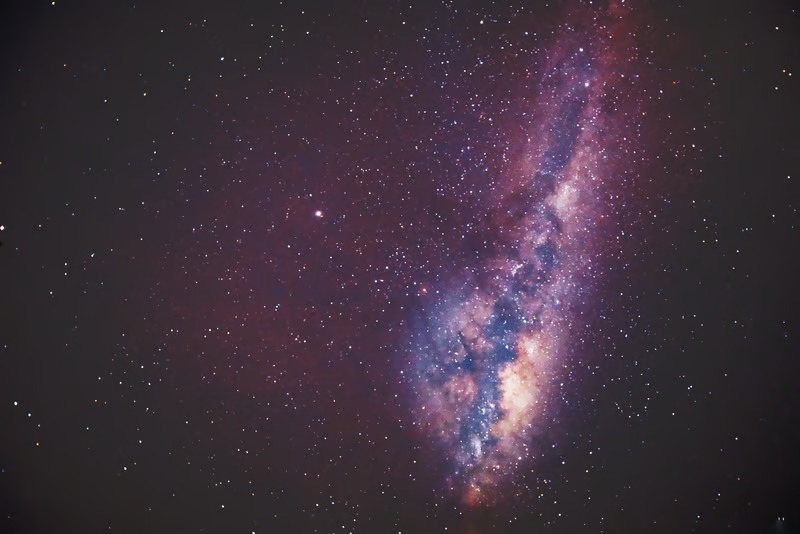


Astrophotography allows photographers to capture some of the most breathtaking scenes in the universe, from the glowing bands of the Milky Way to distant galaxies, colorful nebulae, and detailed planetary surfaces. Yet anyone who has attempted to photograph the night sky quickly discovers a major challenge. The darker the environment and the fainter the celestial object, the more difficult it becomes to produce a clean, sharp image. Noise, atmospheric distortion, sensor limitations, and tracking imperfections can all reduce image quality.
This is where image stacking software becomes one of the most powerful tools in modern astrophotography. Rather than relying on a single exposure, photographers capture dozens or even hundreds of images and combine them using specialized software. The result is a photograph with significantly reduced noise, improved detail, better dynamic range, and enhanced clarity.
Whether you are a beginner photographing the Milky Way with a DSLR or an experienced astrophotographer capturing deep-sky objects through a telescope, understanding image stacking can dramatically improve your results. This guide explores the software options, techniques, workflows, and expert strategies that help transform ordinary night-sky images into extraordinary astrophotography masterpieces.
Why Image Stacking Has Become Essential in Astrophotography
Astrophotography differs from traditional photography because the subjects are often extremely faint and distant. Capturing enough light without introducing excessive noise presents a constant challenge.
Image stacking software addresses this challenge by combining multiple exposures into a single image. As more frames are stacked together, random noise decreases while actual image data becomes more pronounced. This process creates cleaner and more detailed results than a single long exposure can typically achieve.
Beyond noise reduction, stacking improves color accuracy, increases signal-to-noise ratio, and reveals subtle structures that would otherwise remain hidden.
The Science Behind Stacking Multiple Frames
Every image contains both signal and noise. The signal represents the actual light from celestial objects, while noise comes from the camera sensor, electronic interference, heat, and environmental factors.
When multiple exposures are combined, the consistent signal remains while random noise averages out. This mathematical process allows faint details to emerge more clearly.
The more quality frames included in the stack, the stronger the final image becomes. This is why experienced astrophotographers often capture dozens or hundreds of exposures during a single imaging session.
Advantages Over Single Long Exposures
Long exposures can capture more light, but they also increase sensor noise, risk overexposure, and amplify tracking errors. Stacking shorter exposures provides many of the same benefits while reducing these risks.
Photographers gain greater flexibility during processing and often achieve superior image quality compared to a single extended exposure.
Understanding Different Types of Astrophotography Stacking
Not all astrophotography projects use the same stacking approach. Different celestial targets require different methods.
The choice of technique often depends on equipment, target brightness, and desired final results.
Deep-Sky Object Stacking
Deep-sky imaging focuses on galaxies, nebulae, and star clusters. These targets are often extremely faint and require significant integration time.
Stacking dozens or hundreds of exposures helps reveal intricate structures, color variations, and fine details that cannot be captured effectively in a single frame.
Planetary Image Stacking
Planetary photography involves capturing thousands of short video frames. Software selects the sharpest frames and combines them to create highly detailed planetary images.
This technique compensates for atmospheric turbulence and dramatically improves sharpness.
Milky Way Landscape Stacking
Landscape astrophotographers often stack multiple sky exposures while blending them with foreground images. This method reduces noise and enhances star visibility without sacrificing landscape detail.
The result is a more natural and visually striking final image.
Key Features to Look for in Image Stacking Software
Choosing the right image stacking software requires understanding which features matter most.
Some applications prioritize automation, while others provide extensive manual control for advanced users.
Alignment Accuracy
Accurate alignment is one of the most important functions in stacking software. Stars must line up perfectly across all exposures before integration occurs.
Poor alignment can produce blurry stars, artifacts, and loss of detail.
Noise Reduction Algorithms
Different software packages use different methods for handling noise. Advanced algorithms can significantly improve image quality while preserving fine details.
Strong noise reduction helps produce cleaner images without excessive smoothing.
Calibration Frame Support
Professional astrophotography workflows often include calibration frames such as darks, flats, and bias frames.
Software that supports these files provides greater control over image correction and final quality.
Popular Image Stacking Software Used by Astrophotographers
Several software platforms dominate the astrophotography community. Each offers unique strengths and capabilities.
DeepSkyStacker
DeepSkyStacker remains one of the most popular choices for beginners. Its free availability and user-friendly interface make it an excellent starting point.
The software provides effective stacking capabilities while introducing users to essential astrophotography workflows.
Siril
Siril has gained popularity because of its advanced processing features and strong performance. It offers sophisticated stacking tools while remaining accessible to hobbyists.
Many astrophotographers use Siril as both a stacking and preprocessing solution.
PixInsight
PixInsight is widely regarded as one of the most powerful astrophotography processing platforms available.
Its advanced algorithms, automation options, and professional-level tools make it a favorite among serious astrophotographers. Although the learning curve is steeper, the results can be exceptional.
Astro Pixel Processor
Astro Pixel Processor combines advanced capabilities with a relatively approachable interface.
Its strengths include gradient correction, mosaic processing, and efficient calibration workflows.
Building an Efficient Image Acquisition Workflow
Great stacked images begin long before software enters the process. Successful acquisition techniques directly influence final image quality.
Capturing high-quality source data remains one of the most important aspects of astrophotography.
Planning Imaging Sessions
Weather conditions, moon phases, light pollution levels, and target visibility all affect imaging success.
Careful planning increases opportunities for capturing usable data.
Maintaining Accurate Tracking
Star trackers and equatorial mounts help compensate for Earth’s rotation during imaging.
Accurate tracking reduces star trailing and improves stacking performance.
Capturing Enough Integration Time
More integration time generally produces better results. Capturing additional exposures improves signal quality and reveals fainter details.
Experienced astrophotographers often prioritize total integration time over individual exposure length.
The Role of Calibration Frames in Image Quality
Calibration frames help eliminate imperfections introduced by cameras and optical systems.
Many beginners overlook this step, but it can significantly improve results.
Dark Frames
Dark frames record sensor noise patterns and thermal artifacts.
Applying dark frames helps remove unwanted noise during stacking.
Flat Frames
Flat frames correct uneven illumination, dust spots, and optical vignetting.
These corrections create smoother and more professional-looking images.
Bias Frames
Bias frames account for electronic readout noise generated by camera sensors.
Although subtle, they contribute to more accurate calibration.
Processing After the Stack Is Complete
Stacking represents only one stage of the astrophotography workflow.
Post-processing transforms integrated data into a finished image that highlights celestial beauty.
Stretching the Histogram
Raw stacked images often appear dark and flat.
Histogram stretching reveals hidden details and improves visibility of faint structures.
Color Calibration
Color calibration ensures accurate representation of celestial objects.
Proper calibration enhances realism and visual appeal.
Sharpening and Noise Control
Final adjustments balance detail enhancement with noise reduction.
Careful processing preserves natural appearance while maximizing image quality.
Common Challenges When Using Image Stacking Software
Even experienced astrophotographers encounter difficulties during stacking.
Understanding common issues helps avoid frustration and improve efficiency.
Alignment Failures
Poor star detection, tracking errors, and inconsistent framing can interfere with alignment.
Careful image acquisition minimizes these problems.
Overprocessing Artifacts
Excessive sharpening and noise reduction can introduce unnatural artifacts.
Balanced processing produces more professional outcomes.
Insufficient Data Collection
No software can fully compensate for inadequate source data.
Strong imaging practices remain essential for success.
Emerging Trends in Astrophotography Software
Artificial intelligence continues influencing astrophotography processing.
Modern software increasingly incorporates machine learning for denoising, star reduction, and detail enhancement.
Cloud-based processing solutions are also becoming more common, allowing photographers to leverage powerful computing resources without expensive hardware investments.
As technology advances, image stacking software will likely become even more accessible while delivering increasingly sophisticated results.
Expert Advice for Better Astrophotography Stacking Results
One of the biggest mistakes beginners make is focusing entirely on software while neglecting data acquisition. Even the most advanced image stacking software cannot fully compensate for poor source images. Prioritize accurate focus, stable tracking, proper exposure settings, and sufficient integration time. Capture calibration frames consistently and develop a repeatable workflow. Instead of chasing complex processing techniques immediately, focus on mastering the fundamentals of image acquisition. High-quality data combined with careful stacking almost always produces better results than aggressive editing applied to weak source material.
Conclusion
Image stacking software has transformed astrophotography by making it possible to capture cleaner, sharper, and more detailed images of the night sky. Through the combination of multiple exposures, photographers can overcome many limitations imposed by camera sensors, atmospheric conditions, and low-light environments. Whether imaging galaxies millions of light-years away, photographing the intricate details of a planet, or capturing the sweeping beauty of the Milky Way, stacking provides a powerful pathway toward professional-quality results.
Success depends not only on choosing the right software but also on understanding proper acquisition techniques, calibration workflows, and post-processing strategies. As technology continues to evolve, image stacking software will remain a cornerstone of astrophotography, helping photographers reveal the hidden wonders of the universe with greater clarity than ever before.
FAQs
What is image stacking software in astrophotography?
Image stacking software combines multiple exposures of the same celestial target into a single image. This process reduces noise, improves detail, and enhances overall image quality compared to a single exposure.
Which image stacking software is best for beginners?
DeepSkyStacker is often recommended for beginners because it is free, relatively easy to learn, and capable of producing excellent results for deep-sky astrophotography projects.
How many images should I stack for astrophotography?
There is no fixed number, but stacking anywhere from 20 to several hundred images can significantly improve image quality. More high-quality exposures generally lead to better signal-to-noise ratios.
Do I need calibration frames when stacking images?
Calibration frames are highly recommended. Dark frames, flat frames, and bias frames help remove sensor noise, dust spots, and optical imperfections, resulting in cleaner final images.
Can image stacking software improve planetary photography?
Yes. Planetary imaging often involves stacking thousands of video frames. The software selects the sharpest frames and combines them to create highly detailed planetary images with improved sharpness and reduced atmospheric distortion.