


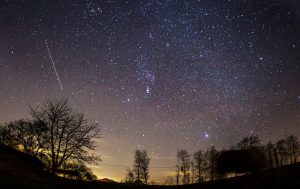


The night sky has fascinated humanity for thousands of years. Among the most breathtaking celestial events visible without a telescope are meteor showers. These spectacular displays transform ordinary evenings into unforgettable experiences as streaks of light flash across the darkness. Whether you are an experienced astronomer or someone who simply enjoys gazing at the stars, knowing the major meteor shower dates each year can help you witness some of nature’s most impressive performances.
Meteor showers occur regularly throughout the year, providing numerous opportunities for sky watchers to observe shooting stars. Some showers produce only a handful of meteors per hour, while others can create dazzling displays with dozens or even hundreds of meteors lighting up the sky. Understanding when these events occur, what causes them, and how to view them effectively can significantly improve your stargazing experience.
Why Meteor Showers Continue to Fascinate Sky Watchers Around the World
Meteor showers hold a unique place in astronomy because they are both scientifically important and visually stunning. Unlike many astronomical phenomena that require specialized equipment, meteor showers can often be enjoyed with the naked eye.
The appeal lies partly in their unpredictability. Even during a well-known shower, observers never know exactly where the next meteor will appear. This element of surprise keeps viewers engaged and creates an emotional connection with the night sky.
Meteor showers also remind people of their place in the universe. Watching tiny fragments of cosmic debris burn up in Earth’s atmosphere provides a powerful perspective on the vastness and complexity of space.
The Natural Beauty Behind Shooting Stars
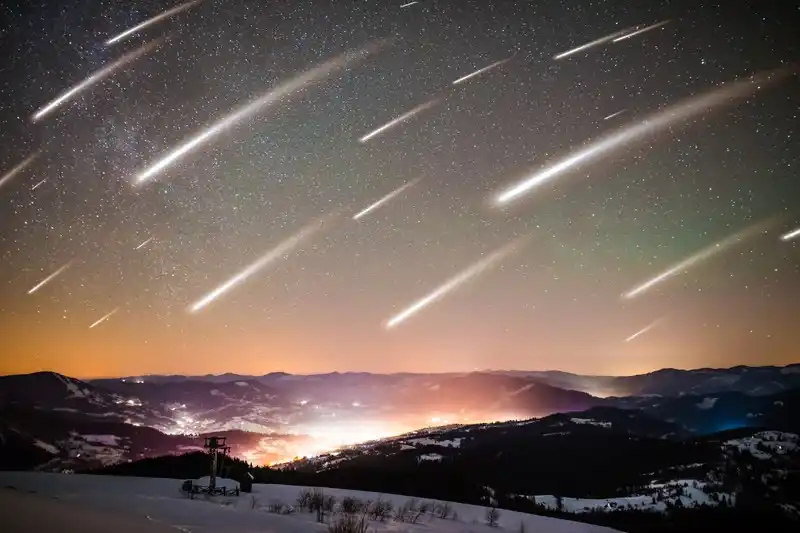
Despite the popular name “shooting stars,” meteors are not stars at all. They are small particles of dust and rock that enter Earth’s atmosphere at extremely high speeds. As friction heats these particles, they glow brightly and create the streaks of light we call meteors.
Most meteors are no larger than grains of sand. Yet their incredible velocity allows them to produce brilliant flashes visible from great distances. This combination of simplicity and beauty is one reason meteor showers remain so captivating.
Why Annual Meteor Showers Attract Millions of Observers
Annual meteor showers are predictable events. Astronomers can accurately forecast when Earth will pass through streams of debris left behind by comets or asteroids. This predictability allows people worldwide to plan viewing sessions months in advance.
Many meteor showers occur during warm weather, making them accessible family activities. Photography enthusiasts, amateur astronomers, and casual observers all gather under dark skies to witness these celestial events.
Understanding How Meteor Showers Occur
Meteor showers occur when Earth moves through trails of debris left behind by celestial objects. These debris streams consist of tiny particles that have separated from their parent bodies over thousands of years.
As Earth travels around the Sun, it intersects these debris fields at roughly the same times each year. When particles enter the atmosphere, they create the visible meteors associated with specific showers.
The Connection Between Comets and Meteor Trails
Most meteor showers originate from comets. As comets approach the Sun, heat causes ice and dust to escape from their surfaces. This material spreads along the comet’s orbit, forming a trail of particles.
When Earth encounters these trails, numerous particles enter the atmosphere simultaneously, creating meteor showers. Famous showers such as the Perseids and Orionids are linked to well-known comets.
Why Earth Encounters These Showers Every Year
The consistency of meteor shower dates each year results from Earth’s predictable orbit around the Sun. Since the debris streams remain in relatively stable positions, Earth crosses them annually at approximately the same times.
While peak activity dates may vary slightly, the overall schedule remains remarkably consistent, making meteor showers among the most reliable astronomical events.
How Astronomers Predict Meteor Shower Dates
Modern astronomy relies on sophisticated calculations to predict meteor showers. Researchers study the orbits of comets, asteroids, and debris streams using advanced computer models.
These calculations help determine when Earth will encounter specific particle concentrations. Astronomers can estimate peak dates, expected meteor rates, and optimal viewing conditions years in advance.
Although exact meteor counts can vary due to changing debris distributions, predictions are generally accurate enough to guide observers effectively.
The Most Important Meteor Shower Dates Each Year
Understanding the major meteor shower dates each year allows sky watchers to prioritize the best opportunities for observation.
Quadrantids – January’s Bright Beginning
The Quadrantids typically peak during early January and are known for their intense but short-lived activity. Under ideal conditions, observers may see more than one hundred meteors per hour.
Because the peak often lasts only a few hours, timing is critical. Clear winter skies can provide exceptional viewing opportunities despite colder temperatures.
Lyrids – Spring’s First Major Display
The Lyrids occur in April and represent one of the oldest recorded meteor showers. Historical observations date back more than two thousand years.
Although usually producing moderate meteor rates, the Lyrids occasionally generate unexpected surges in activity. Their bright meteors make them popular among springtime observers.
Eta Aquariids – Halley’s Comet Returns
The Eta Aquariids peak in early May and originate from the famous comet Halley’s Comet. This shower is particularly impressive in the Southern Hemisphere but can also be observed in northern regions.
Fast-moving meteors and occasional persistent trails contribute to the shower’s appeal.
Delta Aquariids – Summer Sky Activity
The Delta Aquariids reach maximum activity in late July. While generally less dramatic than some major showers, they provide steady meteor activity during warm summer nights.
Their timing makes them especially attractive for campers and outdoor enthusiasts.
Perseids – The Most Popular Meteor Shower
The Perseids are often considered the highlight of the meteor calendar. Peaking in August, they consistently deliver bright meteors and high activity rates.
Warm weather, reliable performance, and frequent fireballs make the Perseids a favorite among both beginners and experienced observers. Under dark skies, viewers may witness dozens of meteors each hour.
Orionids – Fast Meteors of Autumn
The Orionids peak in October and also originate from Halley’s Comet. These meteors are known for their speed and brightness.
Observers frequently report long meteor trails that remain visible for several seconds after the meteor passes.
Leonids – A Shower With Historic Storms
The Leonids are famous for producing spectacular meteor storms approximately every few decades. During these rare events, thousands of meteors can appear each hour.
Although modern Leonid displays are typically less intense, the shower remains historically significant and scientifically important.
Geminids – The Spectacular Year-End Show
The Geminids peak in December and are often regarded as the best annual meteor shower. Unlike most showers, they originate from an asteroid rather than a comet.
Geminids produce bright, colorful meteors and consistently high activity levels. Under favorable conditions, observers may see more than one hundred meteors per hour.
Ursids – Closing the Year Under the Stars
The Ursids occur near the end of December and provide a final meteor display before the year’s conclusion.
Though less active than the Geminids, the Ursids offer a rewarding experience for dedicated sky watchers willing to brave winter temperatures.
What Makes Some Meteor Showers More Impressive Than Others
Not all meteor showers are equally dramatic. Several factors influence how impressive a particular shower appears.
The density of the debris stream plays a major role. Streams containing more particles produce higher meteor rates. Particle size also affects visibility, with larger particles creating brighter meteors.
Viewing conditions can significantly impact the experience. Even a strong meteor shower may appear disappointing under poor circumstances.
Meteor Rates and Brightness Levels
Meteor activity is often measured using the Zenithal Hourly Rate, which estimates how many meteors an observer might see under ideal conditions.
Showers such as the Geminids and Perseids regularly achieve high rates, while smaller showers may produce only a few visible meteors each hour.
Brightness varies depending on particle composition, size, and entry speed.
Moonlight and Weather Conditions
Moonlight is one of the biggest challenges for meteor observation. A bright Moon can wash out faint meteors, reducing visible activity.
Cloud cover presents another obstacle. Even the most active shower becomes invisible under overcast skies. Successful meteor watching requires both favorable weather and minimal light pollution.
Best Times and Locations for Meteor Watching
Choosing the right location dramatically improves viewing results. Dark skies reveal significantly more meteors than urban environments.
Rural areas, national parks, and designated dark-sky preserves often provide ideal conditions. Elevation can also help by reducing atmospheric interference.
Choosing Dark Sky Destinations
Artificial lighting reduces contrast between meteors and the background sky. Traveling away from cities often doubles or triples the number of visible meteors.
Many astronomy organizations publish maps identifying excellent observing locations.
Timing Your Observation Session Correctly
The hours after midnight are typically best for meteor observation. During this period, Earth’s rotation positions observers on the leading side of the planet’s movement through space.
Allowing your eyes to adapt to darkness for at least twenty minutes can significantly improve meteor detection.
Essential Equipment for a Better Meteor Viewing Experience
One of the advantages of meteor watching is its simplicity. Unlike planetary observation, meteor showers require minimal equipment.
A comfortable reclining chair allows observers to scan large portions of the sky without neck strain. Warm clothing, blankets, and snacks enhance comfort during long observation sessions.
Red flashlights preserve night vision while providing necessary illumination. Smartphone astronomy apps can help identify constellations and meteor shower radiant points.
For photography enthusiasts, wide-angle lenses, sturdy tripods, and long-exposure techniques can capture stunning meteor images.
Common Mistakes That Prevent People From Seeing More Meteors
Many beginners unintentionally reduce their chances of observing meteors.
Looking directly at the radiant point is a common mistake. Meteors can appear anywhere in the sky and are often more impressive when viewed farther from the radiant.
Frequent smartphone use disrupts dark adaptation and reduces sensitivity to faint meteors. Remaining patient is equally important, as meteor activity often occurs in clusters separated by quieter periods.
Poor site selection, inadequate preparation, and unrealistic expectations can also diminish the experience.
How Meteor Showers Contribute to Scientific Research
Meteor showers provide valuable information about the solar system. Scientists study meteor trajectories, compositions, and atmospheric interactions to better understand the origins of cosmic debris.
Observations help researchers track changes in cometary debris streams and refine orbital models. Meteor data also contribute to spacecraft safety planning by identifying regions with increased particle activity.
Amateur astronomers play a significant role by submitting observations to international monitoring networks.
The Influence of Technology on Modern Sky Watching
Technological advancements have transformed meteor observation. Automated camera systems now monitor the sky continuously, capturing thousands of meteors each year.
Artificial intelligence helps analyze large datasets and identify patterns that might otherwise go unnoticed. Mobile applications provide real-time meteor shower alerts and viewing forecasts.
Social media and online astronomy communities enable observers worldwide to share experiences, images, and scientific observations instantly.
Expert Advice for Planning Meteor Shower Observations
Experienced astronomers recommend planning well in advance. Review meteor shower calendars early and identify peak dates that align with favorable Moon phases.
Visit your observing location before darkness falls to become familiar with the surroundings. Bring extra layers of clothing, even during summer, because temperatures can drop significantly overnight.
Patience remains one of the most important skills. Successful meteor observation often rewards those willing to spend several uninterrupted hours under the stars. Rather than focusing on counting meteors, take time to appreciate the broader beauty of the night sky.
Keeping a simple observation journal can also enhance the experience. Recording weather conditions, meteor counts, and notable sightings creates a valuable personal astronomy record.
Conclusion
Meteor showers offer some of the most accessible and rewarding astronomical experiences available. Understanding the major meteor shower dates each year allows sky watchers to prepare for the best opportunities and maximize their chances of witnessing spectacular celestial displays. From the brilliant Perseids of August to the dazzling Geminids of December, each shower provides a unique window into the dynamic nature of our solar system. By choosing dark locations, monitoring weather conditions, and practicing patience, anyone can enjoy the wonder of meteors streaking across the night sky. These annual events continue to inspire curiosity, scientific discovery, and a profound appreciation for the universe above us.
FAQs
What is the best meteor shower to watch each year?
The Geminids and Perseids are generally considered the best annual meteor showers. Both consistently produce high meteor rates, bright fireballs, and excellent viewing opportunities. The Geminids often generate the highest number of visible meteors, while the Perseids benefit from warm summer weather and widespread popularity.
When is the best time of night to observe meteor showers?
The most productive viewing period is usually between midnight and dawn. During these hours, observers face the direction of Earth’s movement through space, increasing the likelihood of seeing meteors. Dark skies and minimal moonlight further improve visibility.
Do I need a telescope to watch meteor showers?
No, telescopes are not recommended for meteor shower observation. Meteors move quickly across large sections of the sky, making naked-eye viewing the best approach. A comfortable chair, dark location, and clear sky are often all that is needed.
Why do meteor shower dates remain similar every year?
Meteor shower dates remain consistent because Earth crosses the same debris streams during its annual orbit around the Sun. These streams are left behind by comets or asteroids, creating predictable encounters that occur at roughly the same time each year.
Can meteor showers be seen from cities?
Meteor showers can be seen from cities, but visibility is greatly reduced by light pollution. Traveling to a darker rural location allows observers to see significantly more meteors and enjoy a much richer viewing experience.