
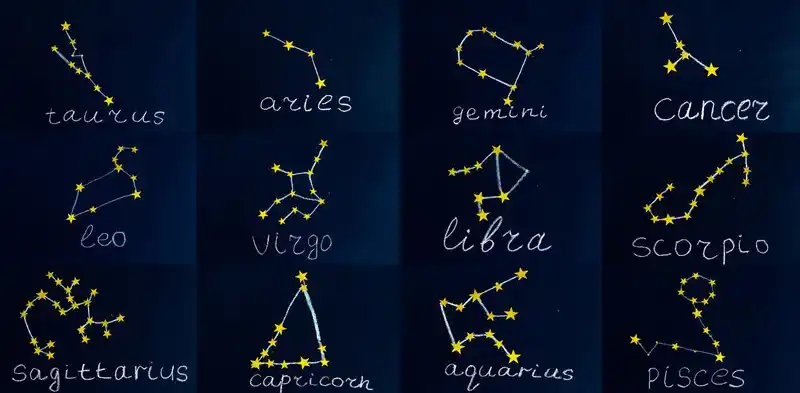







Gazing up at the night sky has fascinated humanity for centuries. The twinkling stars and their formations tell stories of ancient cultures, myths, and scientific discoveries. Among these formations, constellations have a special place, serving as guides for navigation, cultural symbols, and sources of inspiration. But what do these constellation names really mean, and what do they represent? In this article, we will explore popular constellation names and the rich meanings behind them.
The Historical Context of Constellation Names
Origins and Cultural Significance
Constellations have a deep historical significance, often rooted in mythology and the cultures of ancient civilizations. The word “constellation” itself comes from the Latin word “constellatio,” meaning “a set of stars.” Different cultures have named these star patterns based on their beliefs, legends, and surroundings. For instance, the ancient Greeks, Romans, and Egyptians all contributed to the names and meanings we recognize today.
From the Greek myth of Orion, the hunter, to the Egyptian sky goddess Nut, these names reflect the values and stories of the people who named them. Understanding the origins of constellation names gives us insight into how our ancestors viewed the cosmos.
Popular Constellation Names and Their Meanings
1. Orion
One of the most recognizable constellations in the night sky, Orion is often referred to as “The Hunter.” The name derives from Greek mythology, where Orion was a giant huntsman. His figure is represented by a distinctive pattern of stars, including Betelgeuse and Rigel.
Orion’s belt, made up of three bright stars, is a celestial landmark. This constellation has been a symbol of strength and bravery across various cultures. For example, in ancient Egypt, the pyramids of Giza were aligned with Orion’s belt, reflecting the importance of this constellation in their cosmology.
2. Ursa Major
Ursa Major, meaning “Great Bear” in Latin, is another famous constellation. It is home to the Big Dipper, a prominent asterism that serves as a navigational tool. The legend of Ursa Major dates back to ancient Greece, where the bear was transformed into a constellation by Zeus.
In many cultures, Ursa Major has also been associated with hunting and agriculture. The constellation’s position in the sky helps farmers determine the seasons, marking the time for planting and harvesting.
3. Cassiopeia
Cassiopeia is easily identified by its distinctive W shape. Named after a queen in Greek mythology, Cassiopeia represents vanity and pride. According to the myth, Queen Cassiopeia boasted about her beauty, which angered the sea god Poseidon. As punishment, her kingdom was threatened, leading to her eventual transformation into a constellation.
This constellation serves as a reminder of humility and the consequences of arrogance. Cassiopeia is significant not only for its shape but also for its cultural implications, reminding us of the moral stories woven into the stars.
4. Scorpius
Scorpius, or “The Scorpion,” is one of the oldest known constellations, with roots tracing back to Babylonian times. In Greek mythology, Scorpius is associated with the story of Orion, where the scorpion was sent to defeat the hunter. This connection between the two constellations is visually represented, as they are positioned on opposite sides of the sky.
The name Scorpius reflects danger and intrigue, often symbolizing conflict or struggle. The bright red star Antares, located in Scorpius, is often referred to as the “heart of the scorpion,” emphasizing the constellation’s fierce nature.
5. Leo
Leo, meaning “The Lion,” is a prominent constellation that has been recognized since antiquity. In Greek mythology, Leo is often associated with the Nemean Lion, a ferocious beast slain by Hercules as one of his twelve labors. The lion symbolizes courage and strength, embodying the qualities of a leader.
Throughout history, Leo has represented royalty and power in various cultures. Its bright stars, including Regulus and Denebola, have made it a popular constellation for stargazers and astrologers alike.
The Role of Constellations in Navigation and Timekeeping
Navigational Importance
Constellations have played a crucial role in navigation for centuries. Sailors and travelers used the stars as guides, with constellations like Ursa Major and Orion serving as reference points. The North Star, located in the handle of the Little Dipper, has been particularly important for finding true north.
Understanding constellation names and their positions in the sky allowed ancient navigators to travel across oceans and vast landscapes with confidence. Even today, many people still use constellations for orientation and navigation, particularly in remote areas.
Timekeeping and Seasonal Indicators
In addition to navigation, constellations have been used to track time and seasons. Ancient cultures observed the movement of constellations throughout the year, linking them to agricultural cycles. For instance, the appearance of the constellation Orion in winter heralded the hunting season, while the rise of Leo in summer signaled the time for harvest.
This connection between constellations and seasonal changes reflects the deep relationship between humanity and the cosmos. By observing the stars, our ancestors could plan their activities and ensure survival.
Expert Insights on Constellation Names
The Influence of Astronomy on Culture
Experts in astronomy and cultural studies emphasize the significance of constellation names in shaping human understanding of the universe. Dr. Jennifer A. Johnson, an astrophysicist, notes that “constellations bridge the gap between science and culture. They reflect how societies interpret the night sky and their place in it.”
Understanding constellation names allows us to appreciate the stories and values that have been passed down through generations. Each name carries a history, offering a glimpse into the beliefs and myths of the people who named them.
The Evolution of Constellation Names
Constellation names have evolved over time, influenced by cultural shifts and advancements in astronomy. As scientific understanding of the universe has progressed, so too has our interpretation of the stars. For example, the International Astronomical Union (IAU) officially recognized 88 constellations in 1922, standardizing names and boundaries.
This evolution highlights the dynamic nature of astronomy and our ongoing quest for knowledge. While ancient myths and legends remain significant, contemporary astronomy continues to reshape our understanding of the cosmos.
How to Explore Constellations in the Night Sky
Stargazing Tips
Exploring constellations can be a rewarding experience. Here are some tips for stargazing enthusiasts:
Find a Dark Location: Light pollution can hinder your ability to see stars. Seek out dark areas away from city lights for the best visibility.
Use a Star Map or App: Star maps and smartphone apps can help identify constellations and their names. These tools often provide information about the stars within each constellation.
Attend Stargazing Events: Many local astronomy clubs host stargazing events where you can learn from experts and observe the night sky through telescopes.
Be Patient: Stargazing requires patience. Allow your eyes to adjust to the darkness, and take time to familiarize yourself with the constellations.
Building a Connection with the Stars
Engaging with constellations fosters a deeper connection with the universe. Whether you are an amateur astronomer or simply enjoy the beauty of the night sky, taking the time to learn about constellation names adds meaning to your experience. Each star and pattern tells a story, linking us to our past and inspiring future generations.
Conclusion
Constellations are more than just patterns of stars; they are a testament to human curiosity and creativity. The meanings behind constellation names reflect the stories, myths, and cultural values of civilizations throughout history. By understanding these names and their significance, we can appreciate the rich tapestry of human experience woven into the night sky.
As you gaze up at the stars, remember that each constellation holds a story waiting to be discovered. Whether it’s the valiant hunter Orion or the proud lion Leo, these celestial figures continue to inspire wonder and exploration.
FAQs
1. What are the most popular constellations?
Popular constellations include Orion, Ursa Major, Cassiopeia, Scorpius, and Leo, each with unique meanings and historical significance.
2. How can I identify constellations?
You can identify constellations using star maps, smartphone apps, or attending local stargazing events for guided observation.
3. Why are constellation names significant?
Constellation names are significant because they reflect cultural beliefs, myths, and humanity’s relationship with the cosmos throughout history.